Making the most of a blue chest of four drawers
 Save
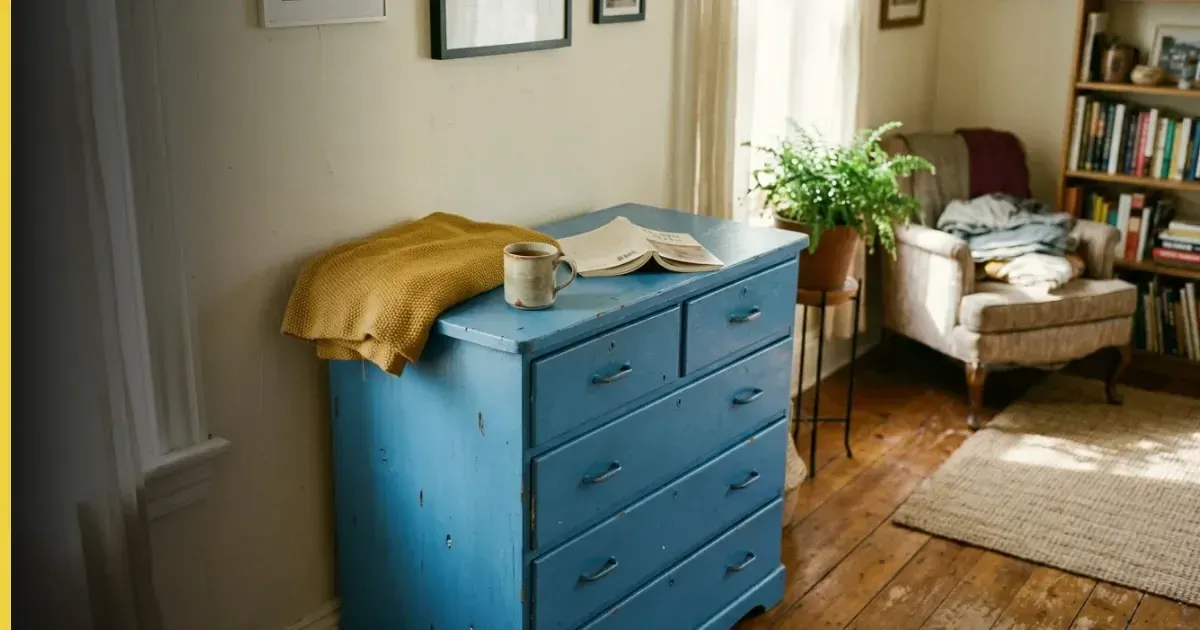
A blue chest of four drawers offers independent artists both practical storage and a piece that can shape the feel of your workspace. Whether you're organising materials, displaying finished pieces or simply adding character to your studio, this guide from Eclectic Art Studio walks you through choosing, using and even reimagining this versatile furniture for your creative practice.
Finding the right piece for your space
Start by measuring the spot where the chest will sit. Note the height of any shelves above it and the width of doorways it must pass through. A chest of four drawers typically stands waist-high, making the top drawer easy to reach without bending and the surface useful for display or work.
Consider the shade of blue. Darker navy or teal recedes visually, grounding a busy studio; lighter powder or sky blue lifts the room and pairs well with white walls. The finish matters too: painted wood can be sanded and repainted when your needs change, while lacquered or laminated surfaces resist studio dust and spills.
Organising materials by drawer
Assign each drawer a category that matches how you work. Keep frequently used items in the top two drawers—brushes, pencils, tape, scissors—so you're not bending repeatedly during a session. Reserve the bottom two for heavier stock such as paper reams, sketchbooks or bagged clay.
Small items stay visible when you line drawers with shallow trays or repurposed boxes. Label the front edge of each tray with its contents; this saves time when you're mid-flow and need a specific tool.
Using the surface above
The top of a chest becomes a plinth for work in progress, a rotating gallery for finished pieces or a place to test compositions before committing them to a wall. Keep the surface clear enough to wipe down, especially if you work with wet media.
Avoid storing liquids or open containers directly on top unless the chest is sealed; pigment and solvent stains are difficult to remove from raw wood. A piece of glass cut to size protects the surface while letting the blue show through.
Repainting and adapting the piece
Transform a tired chest by sanding it lightly, priming any bare patches and applying a fresh coat in a shade that suits your current studio palette. Work outdoors or in a well-ventilated space and allow each coat to dry fully before adding the next.
Change the handles to refresh the look without repainting the whole piece. Ceramic knobs, brass pulls or leather loops each bring a different character. Drill carefully if you're replacing hardware; measure twice to avoid misaligned holes.
Inside the drawers, line the base with fabric offcuts, wallpaper samples or even pages from old art magazines. This protects delicate work and adds a personal touch you'll see each time you open a drawer.
Where to find one
Look beyond new furniture showrooms. Charity shops, online marketplaces and house-clearance sales often carry solid wooden chests that need only cleaning or a coat of paint. Buying secondhand reduces cost and gives you a piece with more substance than flat-pack alternatives.
When assessing a used chest, pull each drawer fully out and check the runners. Stiff drawers can usually be eased with a candle stub rubbed along the wooden tracks. Avoid pieces with significant woodworm damage or drawers that no longer sit square in their openings.
Keeping it in good condition
Dust the chest weekly with a dry cloth; moisture can lift paint or warp veneer. Tighten any loose handles or drawer pulls as soon as you notice wobbling. If a drawer sticks, check for items caught at the back or sides before forcing it.
Protect the chest from direct sunlight, which fades blue pigment over time, especially on painted finishes. Rotate the piece occasionally if one side faces a window, or hang a lightweight curtain to diffuse strong afternoon light.
Getting started this week
Small changes make the chest work harder for you without disrupting your routine.
- Empty one drawer completely, wipe it clean and return only what you've used in the past month.
- Label the front of each drawer with a category that reflects what's actually inside.
- Move your three most-used tools to the top drawer and test the new arrangement for a few days.
- Place one finished piece on top of the chest and leave it there for a week to see how it reads in your space.
Frequently asked questions
What makes a blue chest of drawers suitable for a small studio?
A chest of four drawers consolidates storage vertically, freeing floor space while keeping materials within arm's reach. The blue finish can visually tie together disparate furniture or soften a stark white room.
How can you protect the surface from paint and solvent spills?
Lay a sheet of glass, a piece of sealed plywood or a wipeable mat over the top. These barriers protect the finish without hiding the colour completely and can be replaced if they become stained.
What should you check before buying a secondhand chest?
Pull each drawer fully out to inspect the runners and joints, check for woodworm holes or loose veneer, and confirm the piece will fit through your doorways and into your intended space. Test that each drawer opens and closes smoothly.